Optimizing Retention: The Rewards Rule Engine
Boosting Adoption 10x by Turning a Complex Rule Engine into an Intuitive Workflow. Scaling loyalty through automated logic and user-centricity.
The Strategic Vision
There’s always room to turn a cost center into a value driver
Rewards Rule is the backbone of our loyalty ecosystem, designed to automate complex incentive structures. While the existing system was functional, it was a "black box" for internal stakeholders and a point of friction for users. I led the end-to-end redesign to transform this backend-heavy tool into a high-performance engine that drives user retention and reduces operational overhead.
Why the Redesign?
Operational Bottlenecks: The previous rule-setting process was manual and prone to error, requiring developer intervention for simple campaign changes.
Low Transparency: Stakeholders lacked visibility into how rewards were triggered, leading to a "trust gap" in the system's accuracy.
Lack of Scalability: As the business scaled, the rigid architecture couldn't support the diversity of new reward types (points, cashback, partner vouchers) required by marketing1.
Deep-Dive Research
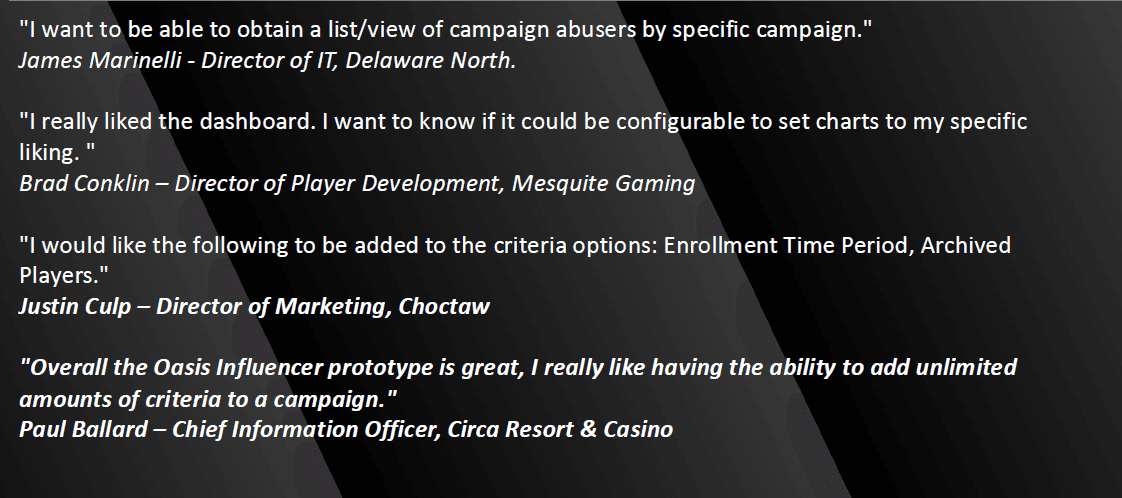
I initiated a cross-functional audit involving Marketing, Product, and Data Engineering. We interviewed 10+ internal power users to map the "logic-building" journey.
The Discovery: We found that 60% of "rule failures" weren't technical bugs—they were logic conflicts created by a confusing UI.
Quantitative Validation
We analyzed 12 months of campaign data to identify the most frequent rule combinations. This allowed us to prioritize a "Modular Rule Builder" that addressed 80% of use cases with zero custom coding.
The Core Problem
A Mismatch between Intemt & Execution
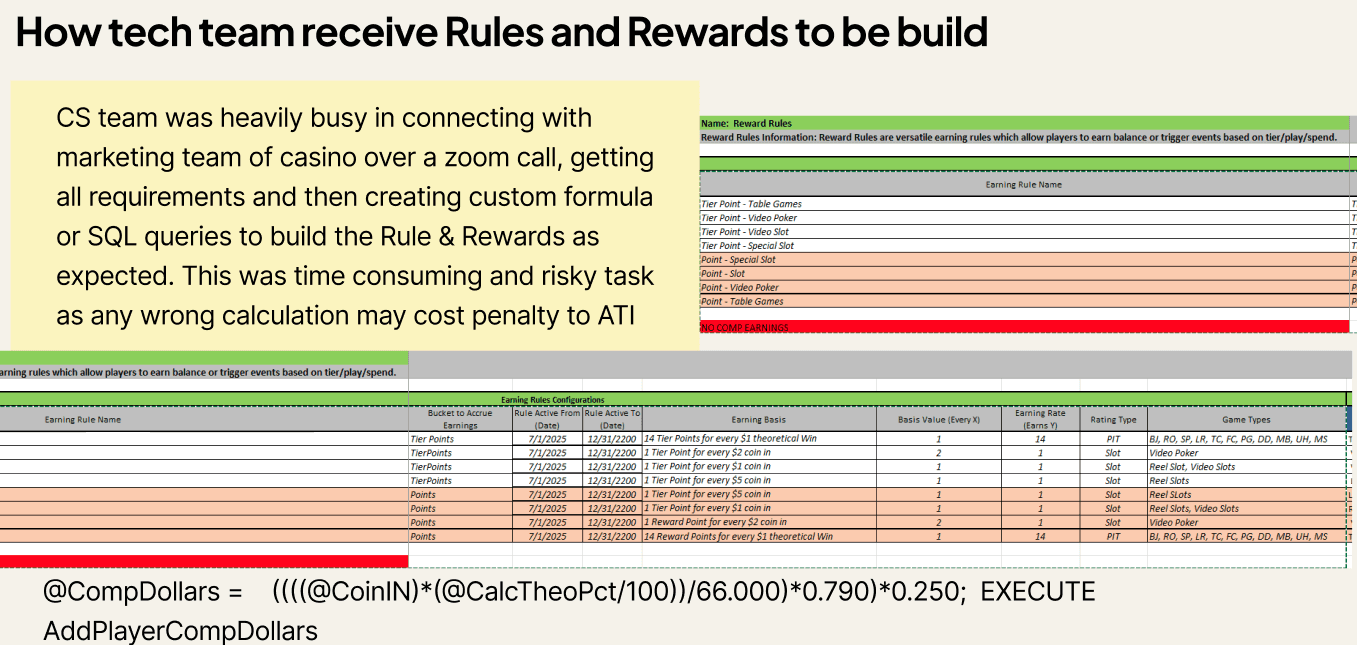
For a tool meant to "Reward," the experience of creating a rule felt like "Punishment." The interface was a relic of technical debt—functional for engineers, but a barrier for the growth teams who actually needed to use it.
Strategic Objectives:
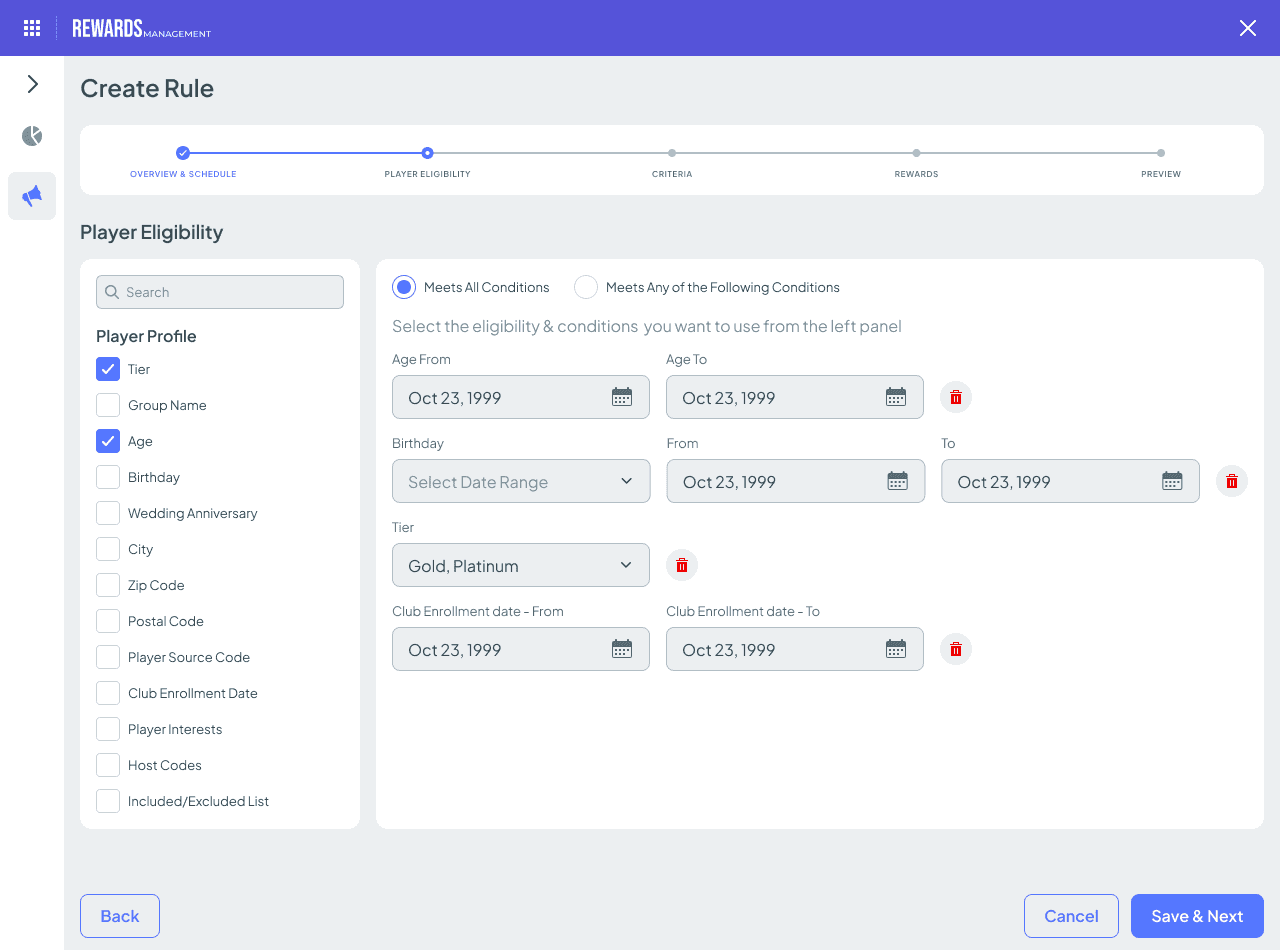
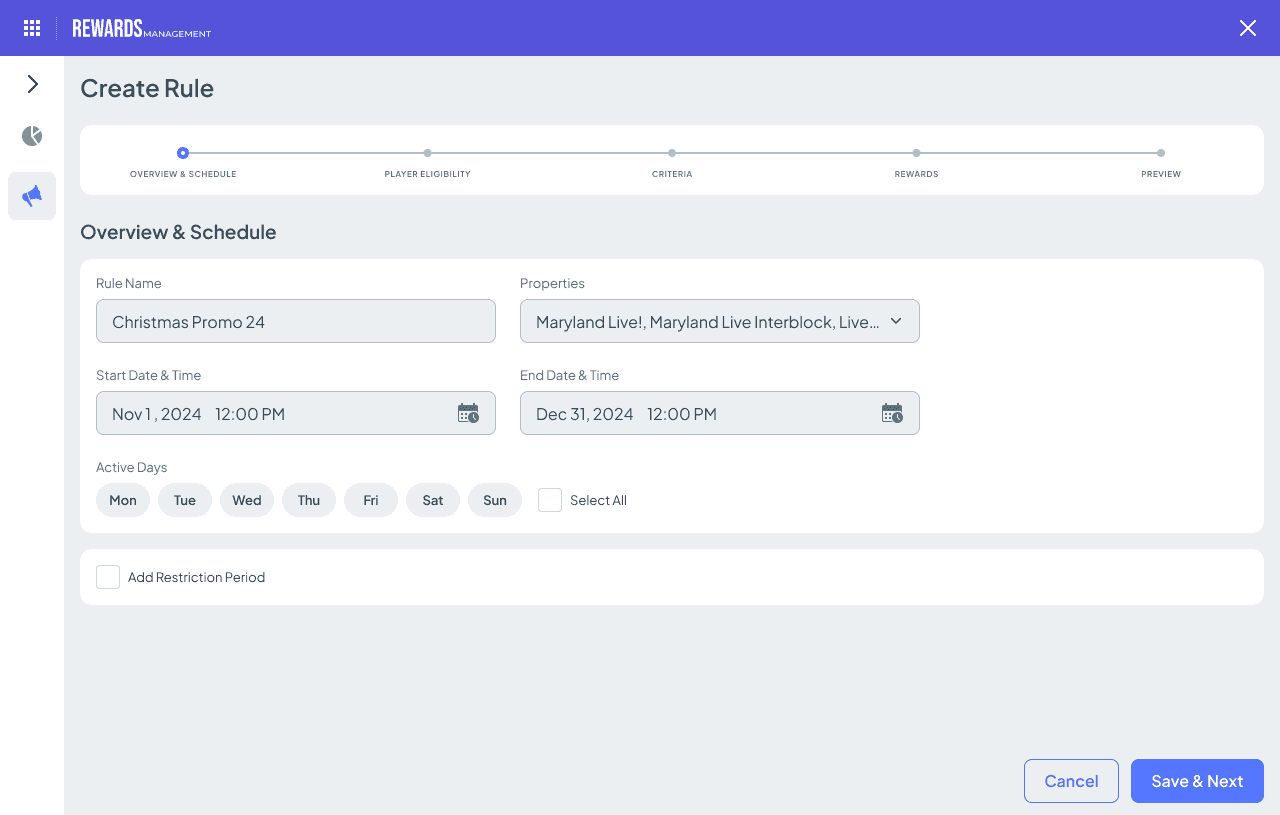
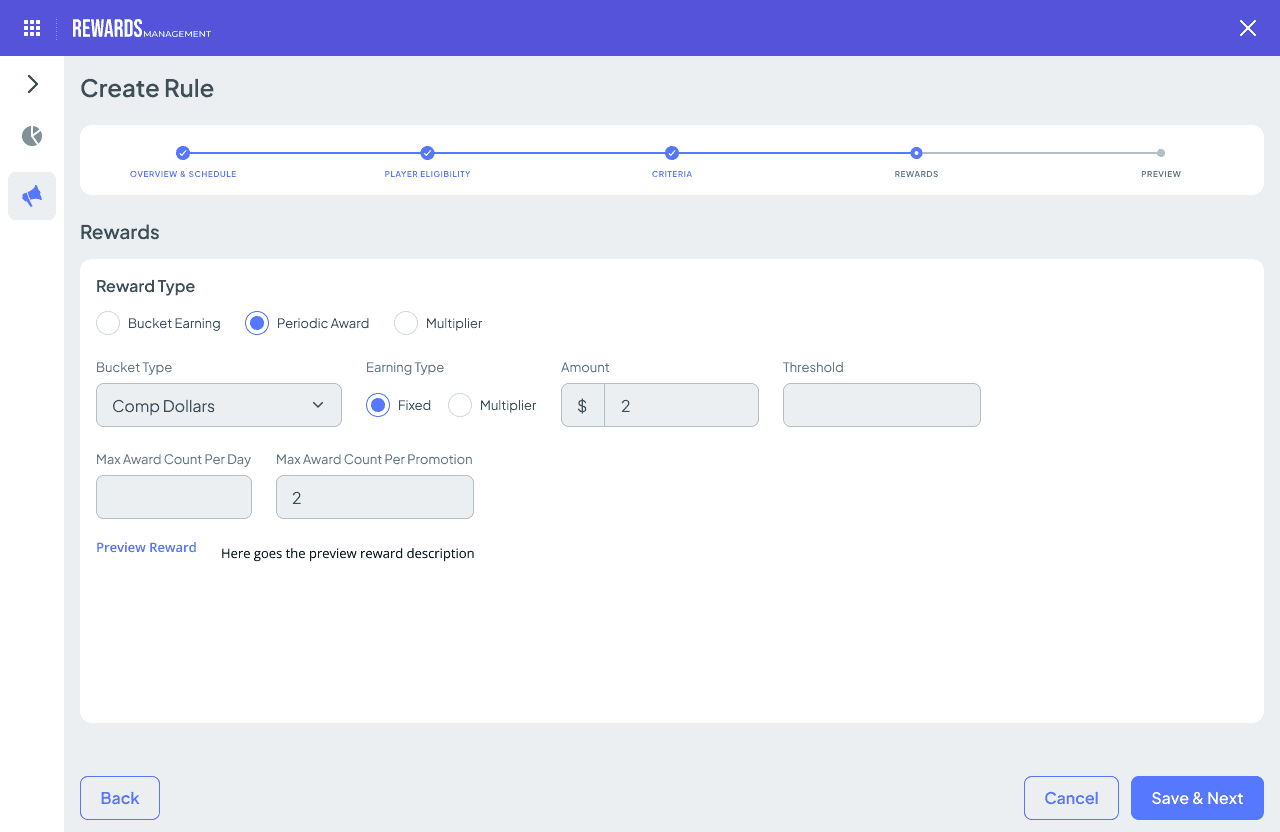
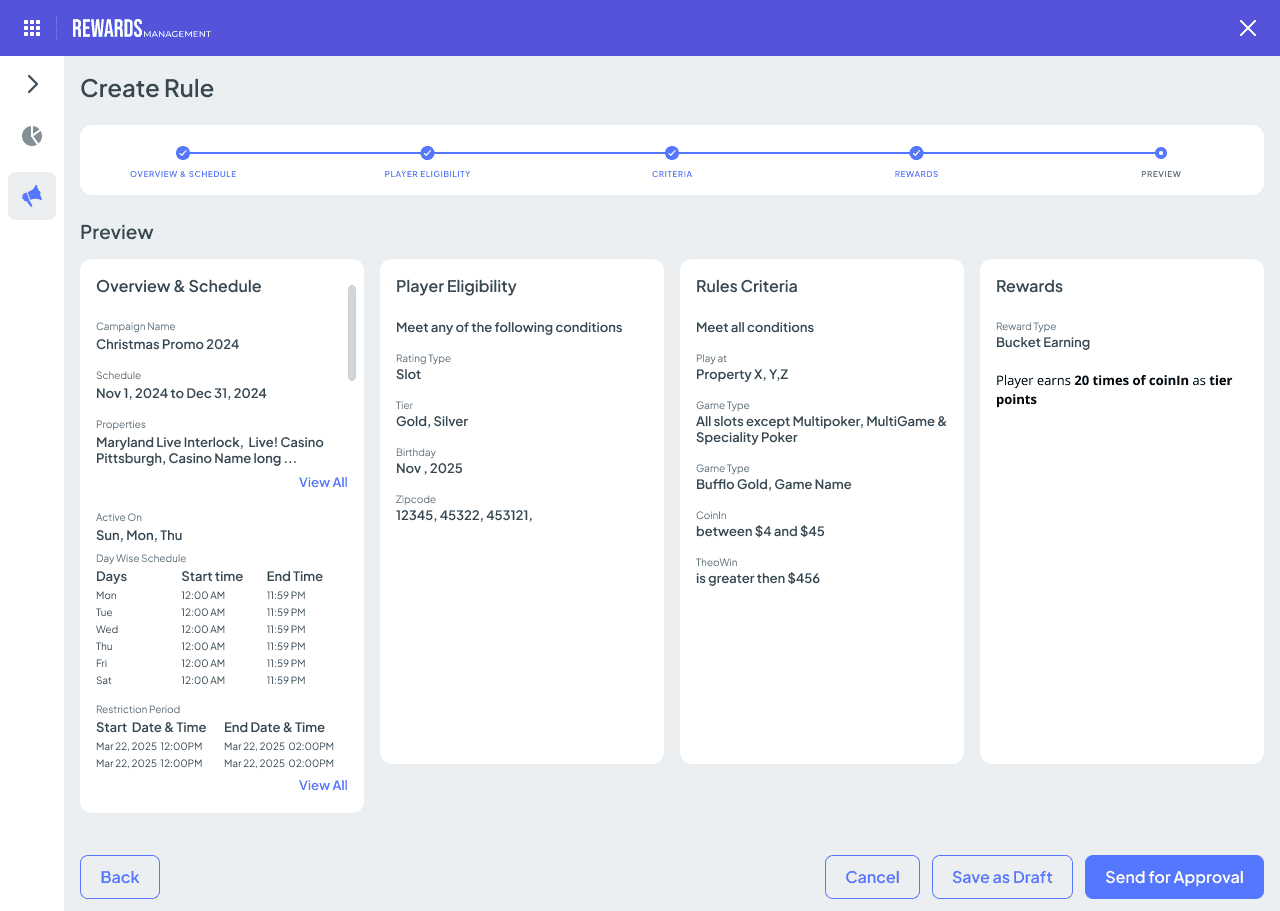
Democratize Rule Creation: Enable non-technical teams to launch campaigns in minutes, not days.
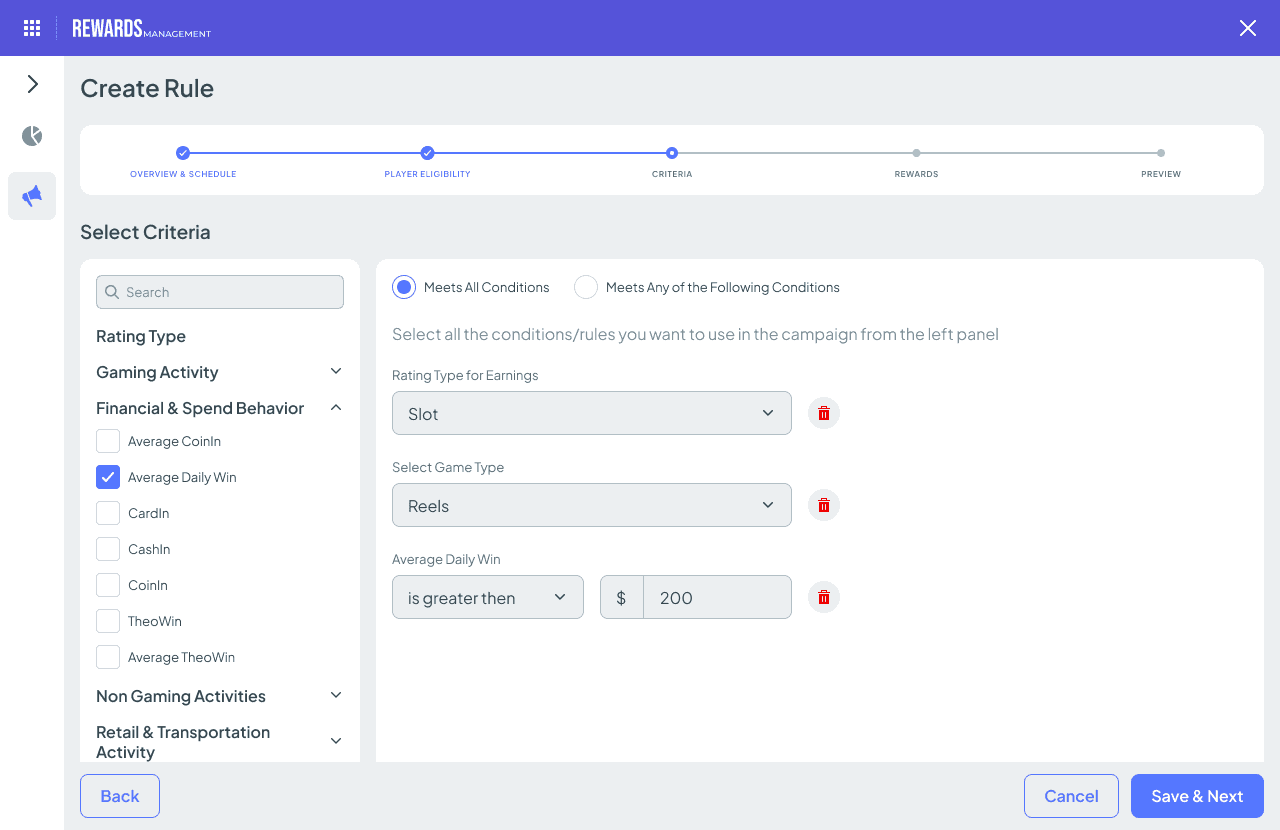
Ensure Logic Integrity: Build a fail-safe system that prevents conflicting rewards from being active simultaneously.
Drive Business Impact: Increase the frequency of targeted campaigns by 40%.
Before
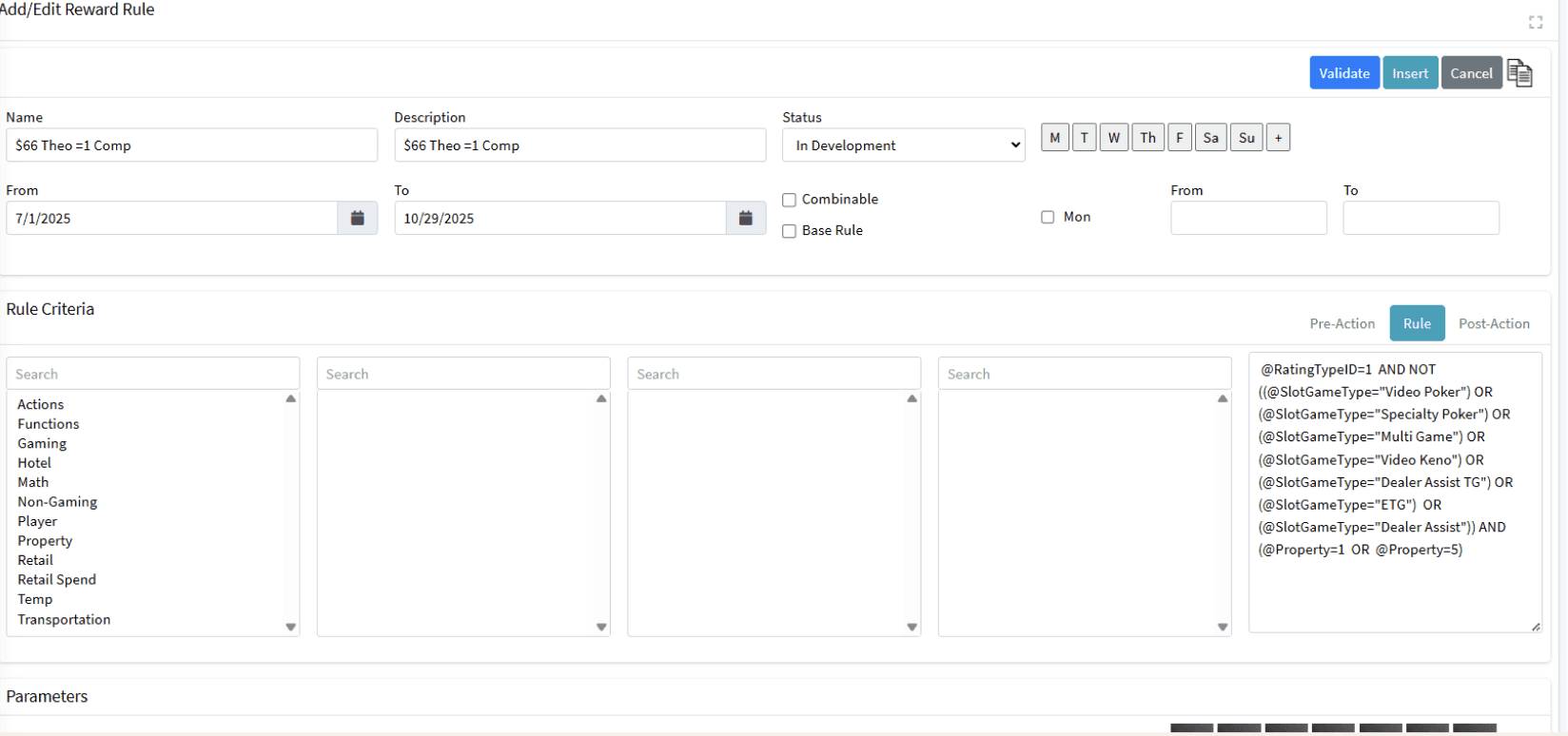
After
The Impact (The "So What?")
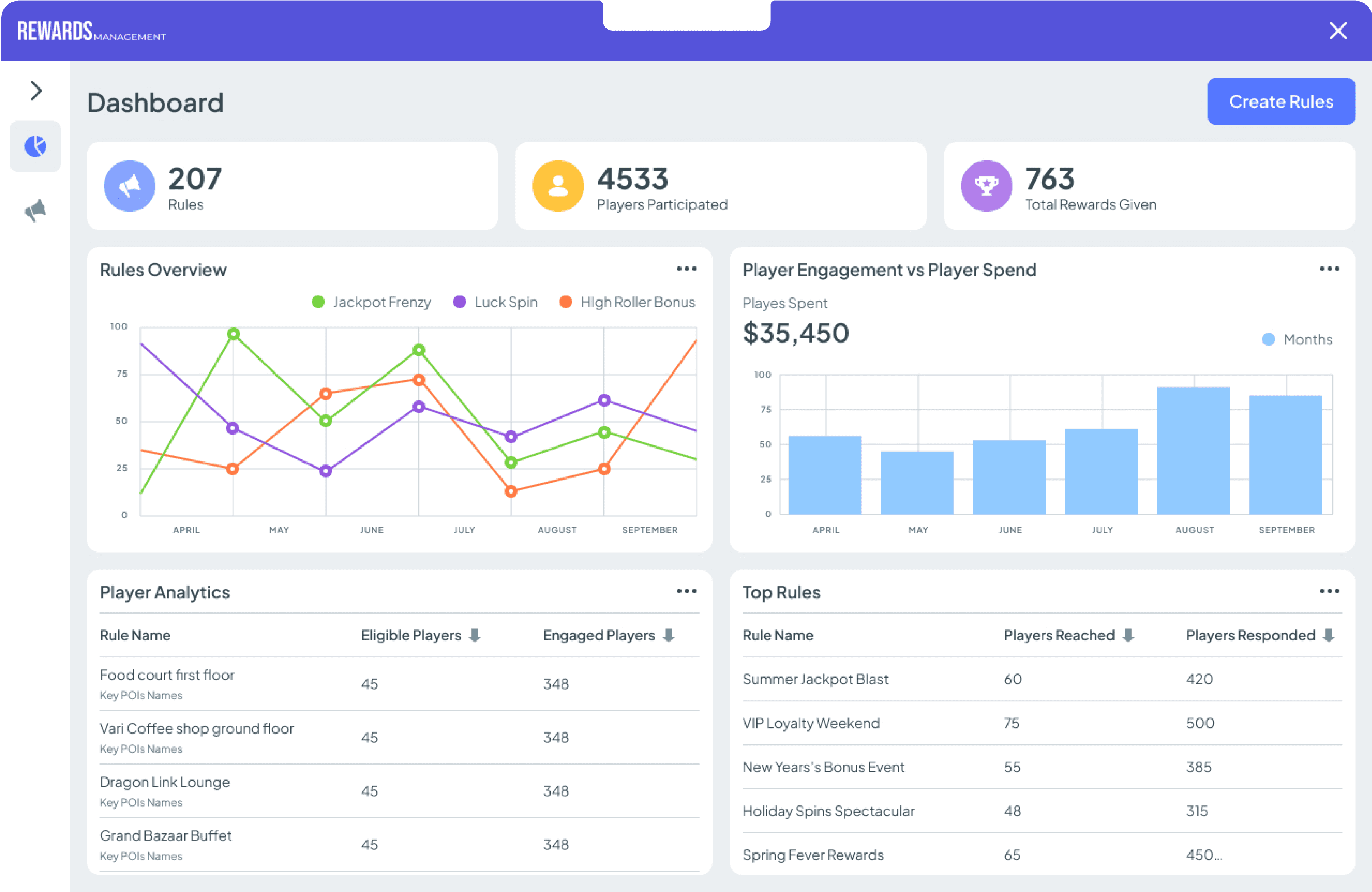
Campaign Deployment Time.
(Reduced from 4 days to 1 hour)
Manual Error Rate
Through predictive logic validation
Stakeholder Autonomy
Marketing now owns the end-to-end flow
System Scalability
Modular architecture for future rewards
Key Takeaways
Design is a Business Strategy.
his project proved that by simplifying complex backend logic into an intuitive frontend experience, we don't just "clean up" the UI—we unlock the organization's ability to move faster and experiment more.

Next Steps:
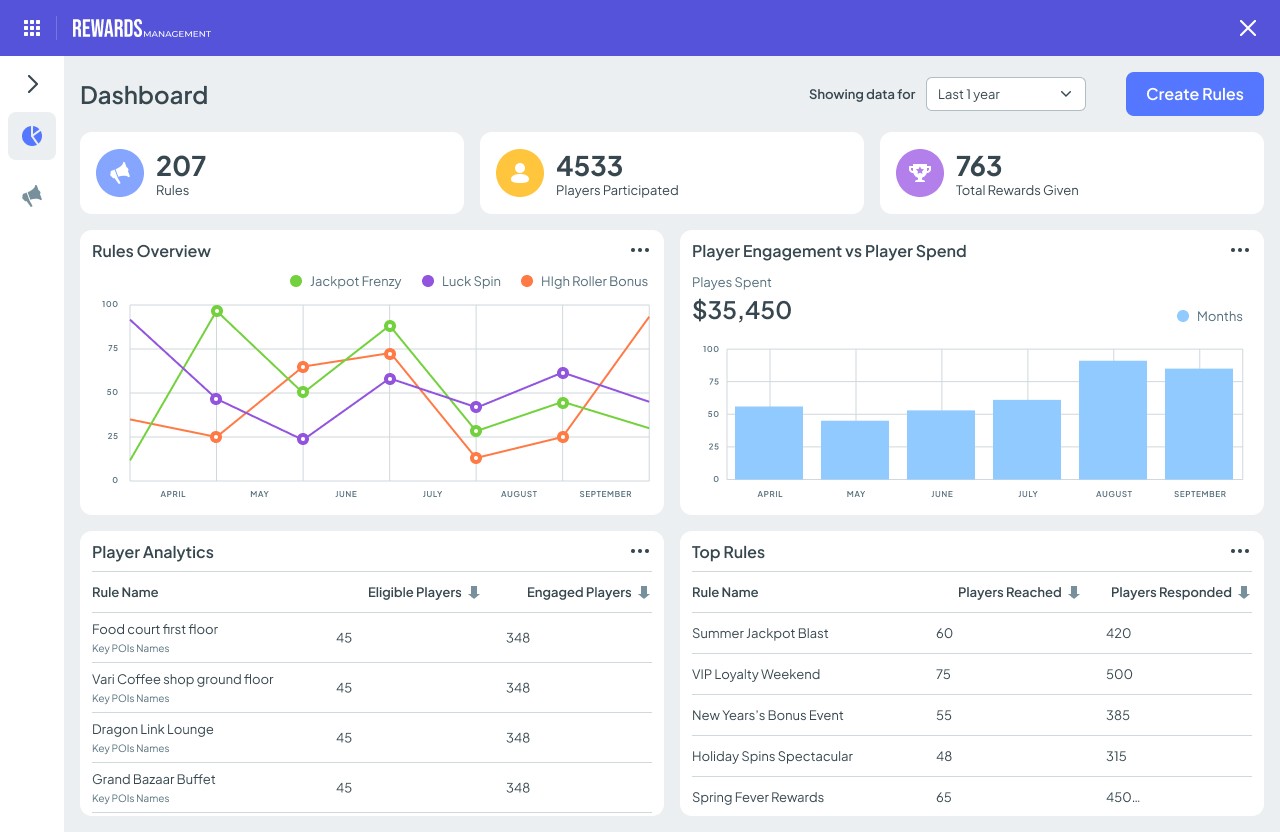
We continue to gather user feedback for ongoing improvements and are exploring new features to make campaign management even more seamless.
AI Integration so that all can be done with just a single structured steps